


By Meredith Qualls
For most homeschool families I know, homeschooling inadvertently means spending a lot of time together. Whether families gather together for Morning Time, read-alouds, or play, sibling bonding may come with its fair share of conflict, arguing, and fighting between siblings.
This blog post shares Biblical wisdom about training children to act as peacemakers, both in the community and at home in a family setting. It includes key Scriptures about acting as a peacemaker in the world, Bible illustrations about sibling relationships, and prayers for sibling conflict.
In this blog post:
- What does the Bible say about being a peacemaker?
- Peacemaker and sibling conflict Bible Lesson for kids
- Develop spiritual virtues with Flourish Family Bible Curriculum [Free Printable PDF]
What does the Bible say about being a peacemaker?
As you seek Biblical wisdom about handing conflict between children and encouraging children to act peaceably, consider these Scriptures and Bible stories.
Bible verses about peaceful conduct
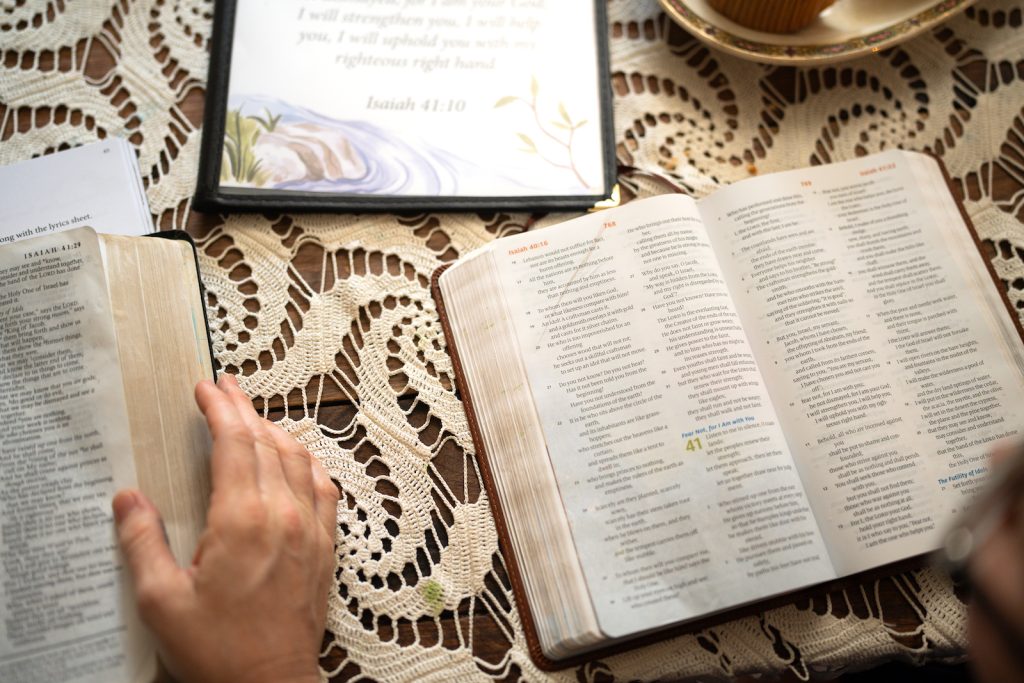
At the opening of the Sermon on the Mount, Jesus begins by describing who is a part of the kingdom of God. As Jesus lists the poor in Spirit, those who mourn, and the meek, He includes “the peacemakers, for they shall be called sons of God” (Matthew 5:9). The kingdom of God is made up, in part, of those whose character reflects peace.
In modern culture, we use the word peace in many ways. “Peace” can refer to the state of politics and government, or it can mean a state of tranquility. But in relationships, peace implies harmony. It is not only getting along, but living in a way that shows how differences can work together. In music, harmony means there are different melodies happening at the same time, but together they create beautiful music.
In a family setting, living peaceably means that each member of the family is exhibiting their own beauty and all of these factors are working together.
Do your children ever struggle to get along or agree with one another? Do your children argue about sharing items in your home, or voice concerns over a sibling’s behavior? Do your children’s emotions ever boil over to where they place blame on one another? Do you and your children disagree over rules and responsibilities?
As you consider how to foster peace in your home, or help your children in their social relationships with siblings or friends, consider these Bible passages as a starting place for seeking how God’s children should conduct themselves.
- Matthew 5:9 – At the beginning of the Sermon on the Mount, Jesus says: “Blessed are the peacemakers, for they shall be called sons of God.”
- Proverbs 12:20 – Solomon counsels that “deceit is in the heart of those who devise evil, but counselors of peace have joy.”
- Romans 12:10 – Paul encourages a spirit of affection and love among Christians in the church: “Love one another with brotherly affection. Outdo one another in showing honor.”
- Romans 12:18 – In advising people how to live, Paul writes: “If possible, so far as it depends on you, live peaceably with all men.”
- Romans 14:19 – Paul also adds: “So then we pursue the things which make for peace and the building up of one another.”
- James 3:17 – Peace is included as one of many attributes a Christian should have: “Wisdom is pure, then peaceable, gentle, reasonable, full of mercy and good fruits, unwavering, without hypocrisy.”
- Colossians 3:13 – Christians are to “bear with one another and forgive one another if any of you has a grievance against someone.” In the following verses Paul makes reference to “the peace of Christ.”
- Ephesians 4:32 – Being at peace often means practicing forgiveness. This verse instructs Christians to practice forgiveness, looking to Jesus as the ultimate example: “Be kind and compassionate to one another, forgiving each other, just as Christ forgave you.”
Bible stories about relationships and living peaceably
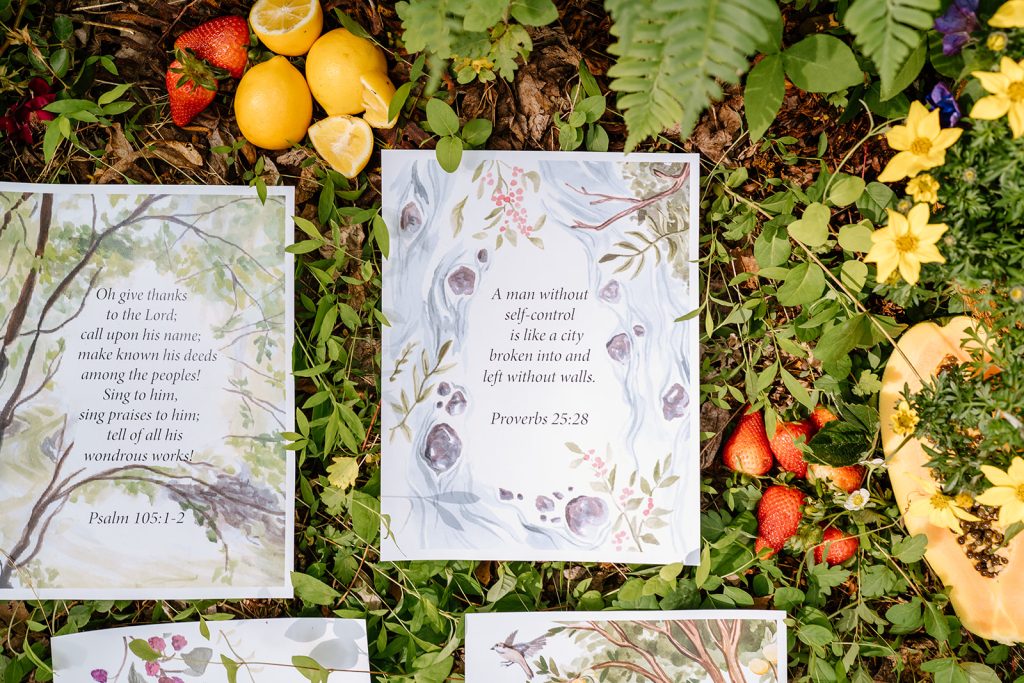
Relationships characterize many of the stories of the Bible, and offer wisdom as we explore the idea of acting peacefully within a family.
Here are some Bible stories that illustrate relationships between family:
- Cain and Abel: Genesis 4 tells of brothers Cain and Abel, who each offered sacrifices to God. When Cain’s sacrifice was rejected, he became angry at his brother Abel and killed him. This story illustrates how uncontrolled anger can lead to sin and have devastating consequences.
- Abram and Lot: In Genesis 13, relatives Abram and Lot traveled from Egypt to the land that God showed them. When they arrived, Abram gave Lot the first choice of where to settle saying: “Let there be no strife between you and me, and between your herdsmen and my herdsmen, for we are kinsmen. Is not the whole land before you? Separate yourself from me. If you take the left hand, then I will go to the right, or if you take the right hand, then I will go to the left” (13:8-9). Even though Abram could have chosen the land he wanted for himself, he chose to put Lot’s own decisions before his own preferences.
- Jesus’ teaching on forgiveness: Jesus talks about practicing forgiveness towards others. He says that failing to forgive others will interfere in your relationship with God. In Mark 11:25 Jesus says: “And whenever you stand praying, forgive, if you have anything against anyone, so that your Father also who is in heaven may forgive you your trespasses.” Expressing peace through forgiveness is so important that Jesus said that anytime you stand before God to pray, to first practice forgiveness and let go of anything you hold against others.
- The ultimate act of peace: As sinners in the world, our position towards God without salvation is one of an enemy. In Romans 5:10 Paul writes: “For if while we were enemies we were reconciled to God by the death of his Son, much more, now that we are reconciled, shall we be saved by his life.” When Jesus died on the cross, He endured torture, mocking, and physical suffering to the point of death. Even as he died, he told the criminal hanging with him, “Truly, I say to you, today you will be with me in paradise” (Luke 23:43). As we consider how to act peaceably in our own lives, we can look to Jesus who exhibited the ultimate peacemaking as he died for us, and restored us to a relationship with God through his own self-sacrifice.
Peacemaker and sibling conflict Bible lesson for kids
In this children’s Bible lesson about being a peacemaker, children will explore Bible passages together, discuss the meanings and implications, express their understanding, and come together in prayer.
Read
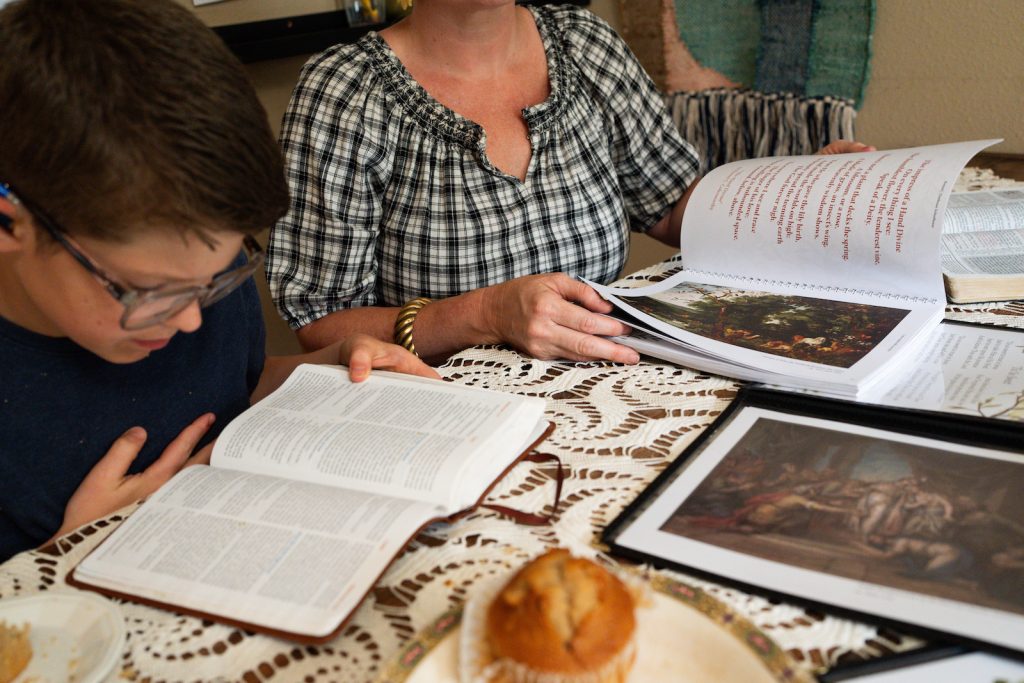
Choose Scriptures to read with your children about choosing to act peacefully. You could read the verses above, or choose one of the Bible stories to learn about. Read the Scriptures aloud, or let children take turns reading verses.
Ask
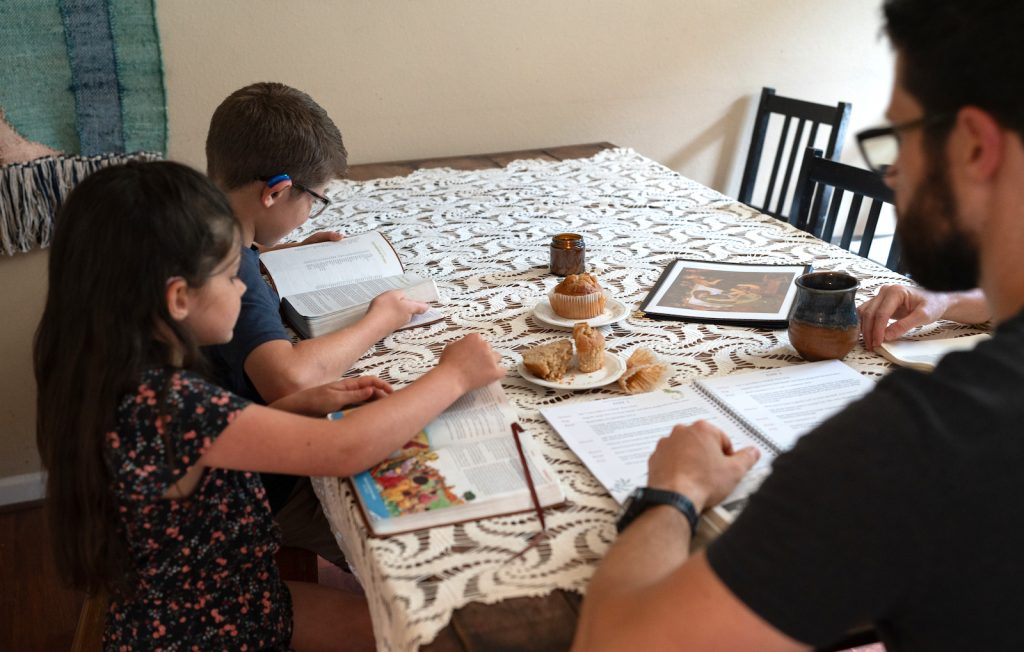
Use these questions to begin a conversation. Share your own thoughts and experiences as your family contemplates how to live as a peacemaker both in your family and in the world.
- What does it mean to be a peacemaker?
- Have you had times in your family where something happened that hurt your feelings? Share a recent experience and what happened. Did you act as a peacemaker? How did it feel? How could you have acted differently?
- What types of things does your family disagree or argue about? How can you act peaceably in these situations?
- What is the difference between showing anger when you are upset and acting like a peacemaker?
- What are some things you can do if you are struggling with being a peacemaker in your family?
Express
Encourage your child to think about some difficult situations where their feelings are hurt. Draw pictures of these situations or write out a list of feelings that are hard to manage. Let your child lead the conversation. Then, write out a list of ways you could act peacefully in these difficult situations.
Prayer

Close your family Bible study with a prayer. As you navigate tension between siblings in your family, prayer is the best way to encourage change and growth.
Here are some things to consider as you go to God in prayer:
- Tell God you want to love your enemies like He has called you to. Ask God to bless your enemies or anyone you are struggling with.
- Ask for God’s forgiveness for ways you have acted against your family or siblings in any way.
- Ask God to help you trust in Him to take care of any of the wrong that is done to you.
- Thank God that He is trustworthy and you can lay all of these things in His hands.
Develop spiritual virtues with Flourish Family Bible Curriculum [Free Printable PDF]
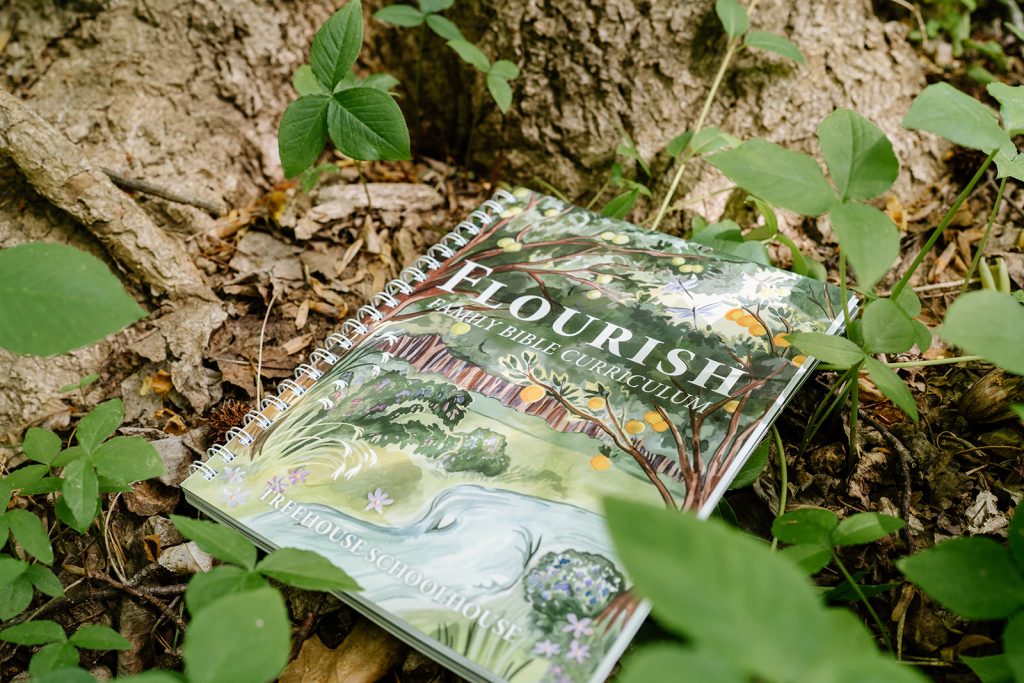
This children’s lesson is adapted from a week’s study in Flourish Family Bible Curriculum: “I am a peacemaker during conflict.”
Flourish is a family Bible study curriculum designed to bring families together in Bible study to learn how to bear fruit in the world around them through Biblical virtues, missional purpose and expressing love. The study is designed to be a journey of the heart guided by Scripture, beauty, art, hands-on connections, and family discussion.
To learn more about this Bible study for families, download a free week below.
How do you handle conflict between siblings in your home? Share your wisdom in the comments below.
Meredith Qualls has worked for Treehouse Schoolhouse since 2023, where she helps develop curriculum and writes about motherhood and home education. She was homeschooled in the 90s, has a master’s degree in journalism, and previously worked in traditional print newspapers.


